
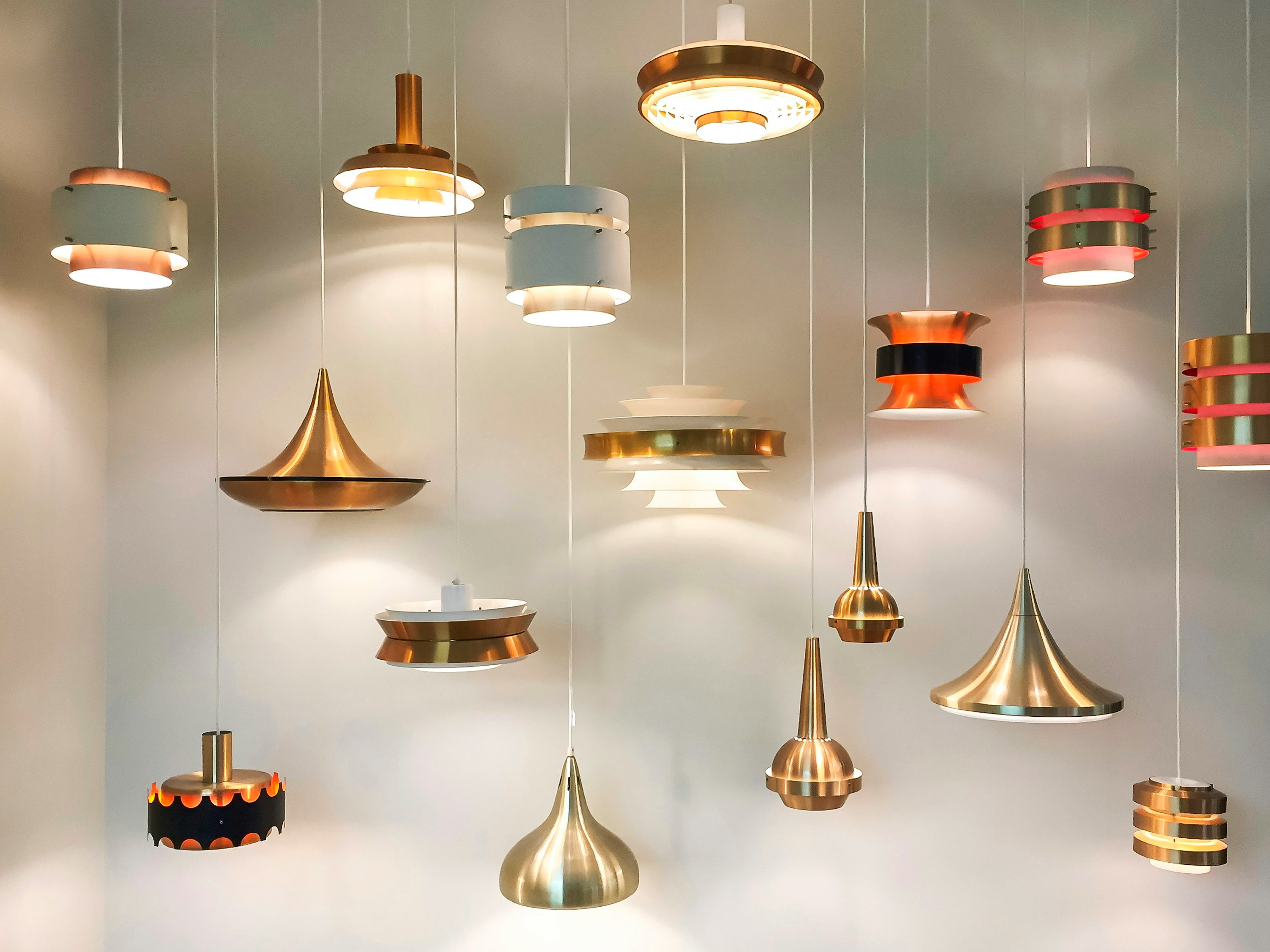
Indoor lights serve a multitude of purposes, significantly impacting the functionality, aesthetics, and atmosphere of interior spaces. Here's a breakdown of their key uses: 1. Providing Visibility and Safety: General Illumination (Ambient Lighting): The most fundamental use is to provide overall light to a room, ensuring you can see and move around safely. This is often achieved with ceiling fixtures, wall sconces, and floor lamps that spread a comfortable level of brightness throughout the space. Task Lighting: Focused light directed at specific areas to help you perform tasks efficiently and safely. Examples include desk lamps for reading or working, under-cabinet lights for cooking, and vanity lights for grooming. Proper task lighting reduces eye strain and improves productivity. Safety Lighting: Illuminating hallways, staircases, and entryways to prevent trips and falls, especially at night. Step lights and well-placed wall lights contribute to safety. 2. Enhancing Aesthetics and Interior Design: Highlighting Architectural Features: Strategic placement of lights can draw attention to interesting architectural details like arches, columns, or textured walls. Wall washers and uplights are often used for this purpose. Creating Focal Points: Accent lighting, such as spotlights or track lights, can be used to showcase artwork, sculptures, plants, or decorative elements, adding depth and visual interest to a room. Defining Zones and Spaces: Lighting can help visually separate different areas within an open-plan space, such as using pendant lights over a dining table to define the eating area. Adding Decorative Elements: Light fixtures themselves can be stylish design elements. Chandeliers, unique pendant lights, and decorative lamps contribute to the overall aesthetic of a room.


This is your website preview.
Currently it only shows your basic business info. Start adding relevant business details such as description, images and products or services to gain your customers attention by using Boost 360 android app / iOS App / web portal.
Indoor lights serve a multitude of purposes, si...
2025-04-02T04:31:11
Indoor lights serve a multitude of purposes, significantly impacting the functionality, aesthetics, and atmosphere of interior spaces. Here's a breakdown of their key uses: 1. Providing Visibility and Safety: General Illumination (Ambient Lighting): The most fundamental use is to provide overall light to a room, ensuring you can see and move around safely. This is often achieved with ceiling fixtures, wall sconces, and floor lamps that spread a comfortable level of brightness throughout the space. Task Lighting: Focused light directed at specific areas to help you perform tasks efficiently and safely. Examples include desk lamps for reading or working, under-cabinet lights for cooking, and vanity lights for grooming. Proper task lighting reduces eye strain and improves productivity. Safety Lighting: Illuminating hallways, staircases, and entryways to prevent trips and falls, especially at night. Step lights and well-placed wall lights contribute to safety. 2. Enhancing Aesthetics and Interior Design: Highlighting Architectural Features: Strategic placement of lights can draw attention to interesting architectural details like arches, columns, or textured walls. Wall washers and uplights are often used for this purpose. Creating Focal Points: Accent lighting, such as spotlights or track lights, can be used to showcase artwork, sculptures, plants, or decorative elements, adding depth and visual interest to a room. Defining Zones and Spaces: Lighting can help visually separate different areas within an open-plan space, such as using pendant lights over a dining table to define the eating area. Adding Decorative Elements: Light fixtures themselves can be stylish design elements. Chandeliers, unique pendant lights, and decorative lamps contribute to the overall aesthetic of a room.
2025-04-02T04:31:11
Share it on


Keywords
- safely examples
- specific areas
- dining table
- openplan space
- visually separate
- visual interest
- arches columns
- draw attention
- prevent trips
- comfortable level
- room ensuring
- 1 providing visibility
- functionality aesthetics
- pendant lights
- track lights
- vanity lights
- desk lamps
- floor lamps
- spaces lighting
- room defining zones
- night step lights
- working undercabinet lights
- indoor lights serve
- decorative lamps contribute
- interior spaces heres
- interesting architectural details
- perform tasks efficiently
- purposes significantly impacting
Submit Your Enquiry